

Why Networking for Musicians is Easier than You Think
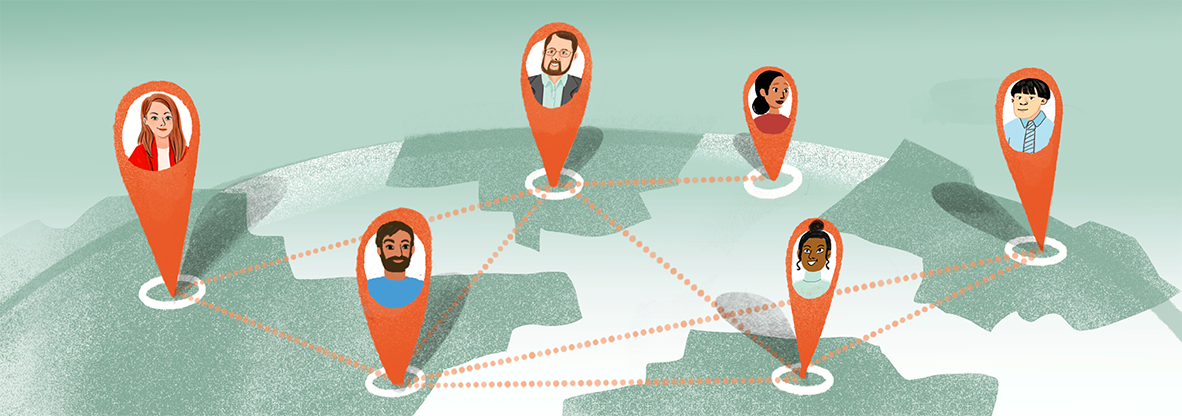
Networking for musicians can feel like a Goliath task. How do you meet the right people? Get into the right events? Get your music in front of someone with the power to really promote it.
Except here’s the thing: networking doesn’t have to be like that. If you want to know how to network as a musician, then you’ve come to the right place. In this article, we’ll explain how you can utilize your existing skills to get your name out there, meet more people, and do it all in a way that feels natural.
Music Networking Doesn’t Have to Feel Forced
The biggest myth about networking in the music industry is that it requires an entirely separate skill set from making your music. While it’s true that networking does require a little in the way of social skills, there’s not much more to it than that. In fact, you’re probably already networking without realising it.
Most of the moments where you’ll connect with other musicians happen by being a part of your community. That means going to and playing at local shows. It means hanging around after the show and, when you get the chance, chatting with the band and the sound engineer.
Don’t focus on trying to network with the ‘right’ people; just make lots of connections. Get to know the people you get along with, the ones you share a music taste with and could genuinely collaborate with if you wanted to.
A lot of people make the mistake of assuming that networking is about who you know, but the most valuable connections aren’t with people who are already successful. They’re usually with other people who are just coming up, people who you can relate to and who, when they see an opportunity that’s right for you, will think to throw it your way.
Being Part of the Community
Making good connections is almost always about consistency over cleverness. You want to be showing up at the same venues to become a recognised face – a real member of the community. People will remember the person who’s around, plays well with others, and follows through on their commitments.
Local scenes are still one of the best places to start. Regular open mics, small-venue nights, and genre-specific meetups let you build familiarity with other musicians over time, which is a much lower-pressure way to connect than approaching a stranger cold.
Music networking events, whether they’re an industry conference or just a local songwriters’ circle, generally all fill the same role in the end. You’re there to meet other people, sometimes to collaborate, but mostly just to get to know each other.
In the online space, platforms built specifically for musicians, along with general social media, have made this considerably easier than it used to be. Commenting thoughtfully on other artists’ work, joining genre-specific forums or Discord servers, and collaborating on smaller projects like remixes or feature verses are all low-stakes ways to build real relationships before you ever ask anyone for anything.
The key is to always offer something first. You want to show genuine interest in someone else and their work before making any requests.
Why Networking is Important to the Music Industry
So why does all this matter so much? Why is the music industry so heavily run by referrals and relationships?
Ultimately, it comes down to trust. A booking agent is far more likely to take a chance on an act that’s been vouched for by a trusted promoter. A producer is more likely to make time for someone a mutual collaborator recommends. And the entire industry of talent scouting is essentially built on the fact that musicians network with each other. This isn’t unique to music, but it’s especially pronounced in an industry where taste and trust are pretty much impossible to quantify objectively.
The upside of this is that networking stops being about grand – and often expensive – gestures like attending the biggest music conferences in the world. Far more often it’s about the everyday stuff you do that will feed back into making you a better musician.
At the end of the day, learning how to connect with other musicians is often as simple as finding a local meetup and seeing where things go from there. So if you want to start your professional music journey, then get out there and meet people. You’ll learn a lot and have a great time doing it.
Latest posts
A Five-Minute Guide to Games Writing Careers
Video game writing jobs can seem a bit mysterious from the outside. It’s not always clear what the work involves or how you even get your foot through the door without a decade of credits behind you. Let’s take a quick tour of the industry to better understand what games writing jobs are like and how you can get your start in interactive storytelling.

Three Careers You Can Train for in the UK Armed Forces
Today, we’d like to highlight some less well-known careers you can pursue in the UK military. In this list of military careers, we’ll discuss three jobs that provide excellent training for your future career. We’ll also be covering basic recruitment requirements to help you decide if this is a path for you.

What Does an R&D Project Manager Do? Salary Expectations and Career Path
R&D project management is an excellent career path for anyone with a creative mindset and good leadership skills. But what exactly does the job involve? What responsibilities come with the role? And what does a career path for a project manager look like in practice?