

A Five-Minute Guide to CAD Careers
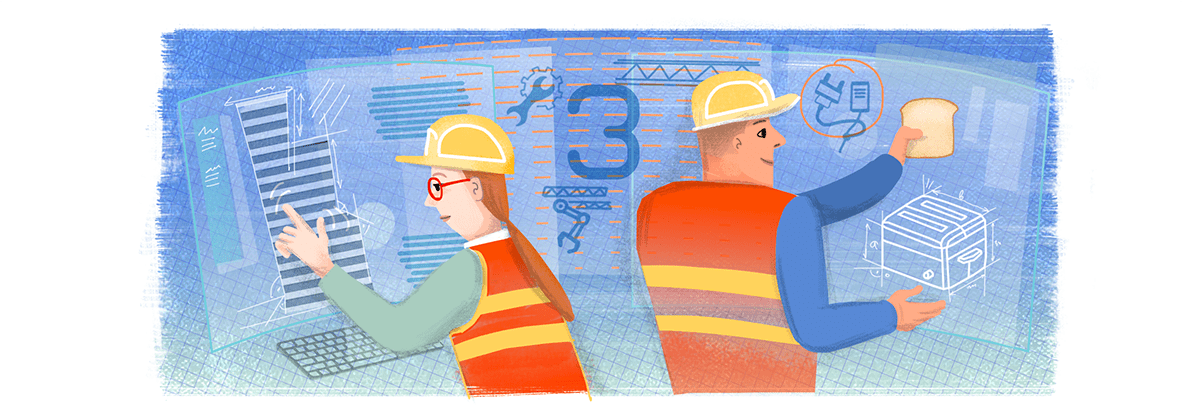
CAD (computer-aided design) work is everywhere in the modern world, from your car to your smartphone to just about any item you buy in the shop. Before a product can be manufactured, it must be designed, and CAD provides a precision and speed that simply cannot be matched.
But CAD isn’t just about knowing software. It’s a skillset and, for many, the core of their career. So how can you become a CAD designer? And what jobs are there that require the skills?
How to Become a CAD Designer
CAD career opportunities come in all shapes and sizes and, as such, there’s no one set path to becoming a CAD designer. While plenty of people do enter the role via a university degree, it’s far from the only option, and many CAD designers are largely self-taught.
Probably the most efficient way to get into CAD is via an apprenticeship, allowing you to learn on the job and build up the necessary experience. Alternatively, if you’re looking to really hit the ground running, an engineering or architecture degree can open a lot of doors.
With all that said, what matters most is the software. CAD skills are tool-specific, so it pays to learn the programs your target industry uses. While the skills are largely transferable, it does still take time to switch from one application to another, so when building out your portfolio, it’s really important that you have knowledge of industry-standard tools.
AutoCAD is a very solid starting place. It’s an all-round tool developed by Autodesk and a good place to learn the foundational knowledge that will be relevant across almost any CAD application. Then you have tools like Revit, which is common in architecture and building design, and SOLIDWORKS, which is used a lot in engineering.
CAD Career Opportunities
Careers that use CAD include everything from architecture and construction to both civil and structural engineering, as well as product design, electronics, and even jewellery.
A good place to start is as a CAD technician or draughtsperson, taking ideas from engineers and architects and turning them into precise technical drawings. This will give you industry experience that’s focused on your specific use of and understanding of the tools. From there, you can take those skills in any number of directions depending on the jobs that interest you.
It’s worth noting that there are lots of opportunities for progression in this career path, especially if you’re interested in learning and don’t mind doing more qualifications along the way.
Are CAD Jobs In Demand?
CAD is always in demand in one way or another, although the exact makeup of the industry does change year on year. As a foundational role in basically all design and construction work, the need for CAD skills is large and general, but the value of more specialist skills such as simulation or product design can change significantly over time.
All of which to say that while CAD isn’t an unreasonably competitive career path, it is one where you’ll want to be comfortable learning new skills over time. Keep in mind that your professional skillset is tied to the software, and that software is always developing.
Over the course of your career, it’s important to learn other supplementary skills, both soft and hard. Management and communication skills will get you a long way, particularly in smaller companies where it’s often necessary for individuals to wear multiple hats. Hard skills, such as a good understanding of engineering principles, will make you more appealing in specific roles, as employers will feel more confident that you won’t require extensive training.
When all’s said and done, CAD skills will always be useful, but the best CAD career opportunities usually go to those who invest in developing more than just CAD alone. If you’re the kind of person who likes to learn and who’s always interested in self-improvement, then CAD is a great way to build a career over time without needing to go to university first.
Latest posts
How To Become an Animator for Film and TV
For those who grew up watching animation, the dream of one day working in the industry can feel like a distant one. Nonetheless, there are plenty of cinematic and TV animators from…

The Top 4 Countries For Healthcare Careers
Within the healthcare industry, it’s not uncommon for qualified professionals to pursue immigration in order to earn higher incomes or find a better work/life balance. But which country is best for working…

Everything You Need to Know About Dermatology Careers
Dermatology is a surprisingly broad field. A career in dermatology can mean treating serious skin cancers in an NHS clinic, running a cosmetic surgery practice, developing new skincare products, or even supporting…